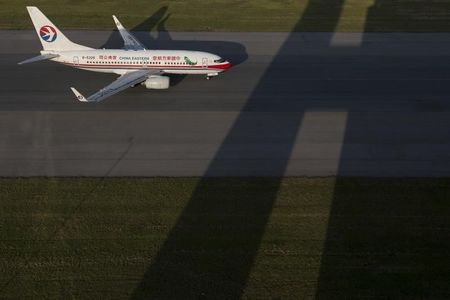
Asian airline shares jumped on Tuesday after Brent crude settled 5.85% lower at $92.57 a barrel on Monday and WTI fell 4.38% to $86.85. Investors are treating easing US-Iran tensions as a reason to believe fuel costs will finally ease. South Korea led the gains, with Jin Air surging 29.27% to 7,950 won, Asiana Airlines up 11.81% to 8,710 won and Korean Air gaining 11.17% to 32,350 won. The optimism is understandable. It may also be premature.
The fuel shock behind these rallies has been severe. The report cites IATA's expectation that jet fuel will average $152 a barrel in 2026, nearly 70% above 2025 levels, lifting fuel's share of airline operating expenses to 31.4%. Those are not abstract numbers. Qantas raised its first-half FY27 fuel-cost forecast by A$150 million to A$3.75 billion, even though it is about 85% hedged for the financial year. Singapore Airlines reported a 78.5% jump in first-quarter net fuel costs to S$2.25 billion, and its operating profit fell 73.8%. Cathay Pacific's first-half net fuel costs rose 58.5% to HK$23.22 billion.
A single day's fall in crude does not repair those balance sheets. The report itself warns that lower crude prices may take time to feed through to jet fuel costs, given elevated refining margins and existing hedging arrangements. In other words, the cost relief that investors are pricing today could arrive in airline accounts months later, if at all. Carriers that hedged heavily, like Qantas, may see the benefit arrive more slowly, while unhedged competitors will feel price moves sooner, in both directions.
Airlines and their shareholders should resist celebrating too early. Fares, capacity and balance sheets should be planned around a sustained decline in fuel prices, not a headline on one Monday. Regulators and investors should also watch whether carriers pass savings to passengers or simply rebuild margins. If Iran peace hopes fade, the same stocks that rallied on Tuesday could reverse just as quickly. The sensible response is caution, clear disclosure of hedging positions, and patience until jet fuel costs actually move.