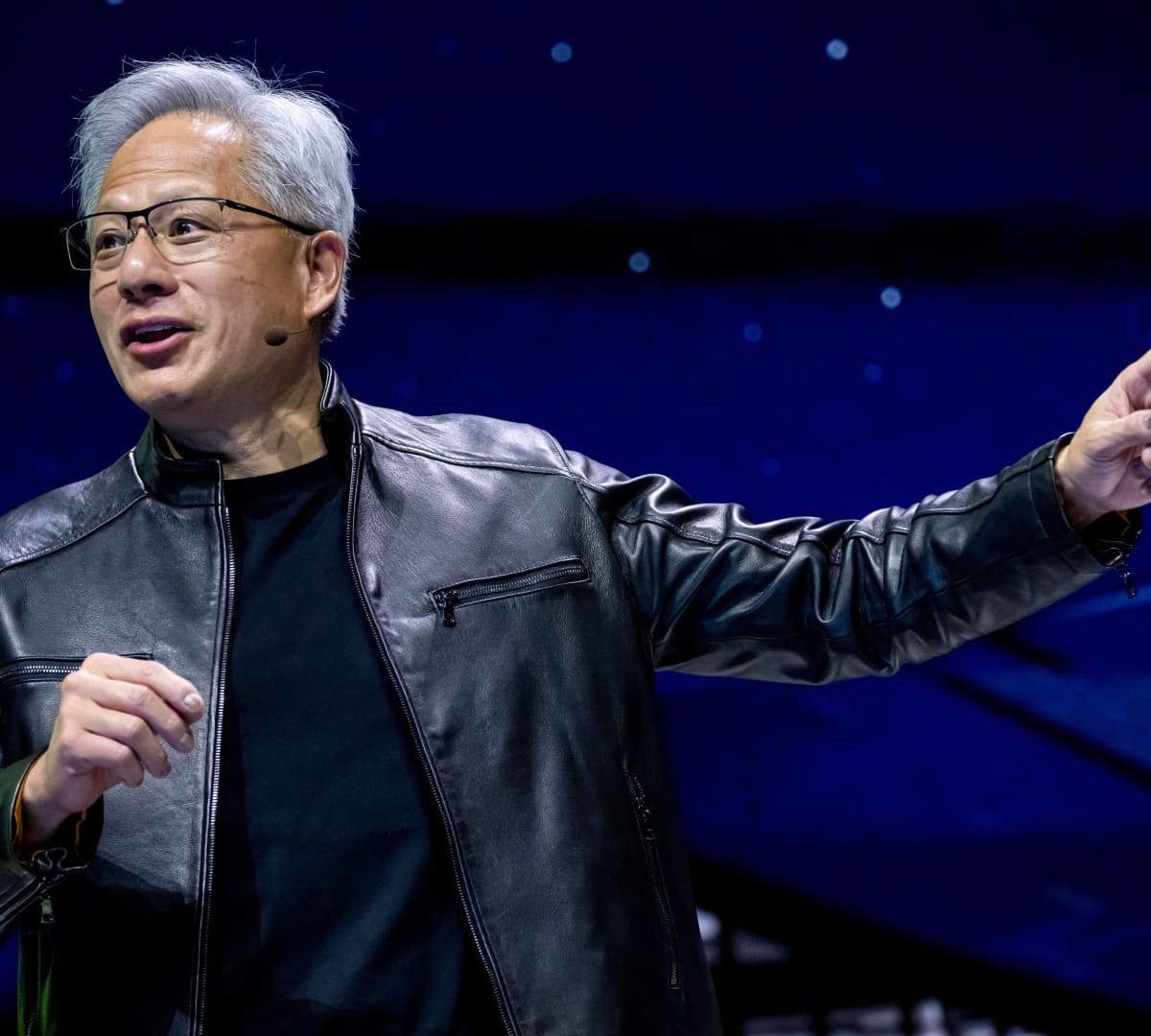
The petition to bring Jensen Huang back to Nvidia has passed 160,000 signatures, and the list of supporters reads like a roll call of the tech world: Elon Musk, Tim Sweeney and Garry Tan, according to the campaign's website. The website also notes that these affiliations are self-reported and not verified, a caveat that deserves more attention than the signature count. Enthusiasm is not evidence, and a petition is not a due process.
The most serious problem with the campaign is that it asks the board to move faster than the facts allow. Nvidia's board is still running an independent investigation into the conduct that led to Huang's resignation as president, CEO and board member. U.S. lawmakers are preparing their own inquiries into how the affair may have affected America's AI lead and into the national security questions raised by the reported ties of Alice Huang, a woman suspected of links to Chinese intelligence. A board that reinstated its founder while those questions were open would be making a decision it could not defend.
The comparison to Sam Altman does not hold up. Altman was ousted in a governance fight and returned after that dispute was resolved. Huang's case involves an ongoing inquiry into personal conduct with possible national security dimensions, which is why Anthony Scaramucci's line that the FBI does not take petitions, while blunt, captures the point. Shareholder and employee loyalty matters, and Gerstner and Baker were right to ask for a fair process. But a fair process is the opposite of a rushed reinstatement.
Nvidia has an immediate job that the petition only distracts from. Colette Kress, the longtime finance chief now serving as interim CEO, has to steady the company before its fiscal third-quarter earnings report on Tuesday. Dan Ives is right that the central task is restoring stability and investor confidence, and that the demand for AI chips has not disappeared because of a management upheaval. The board should let Kress lead while it finishes its investigation and evaluates candidates on their merits, including the reported approach to Arm CEO Rene Haas.
The board should say plainly that no decision on leadership will be made until the investigation is complete, and it should share as much of that process as it lawfully can. That approach protects Huang's right to a fair hearing as much as it protects the company. If the findings clear him, his return can be considered on its merits. If they do not, the petition will have been beside the point. Either way, the board's credibility depends on waiting for the answer.