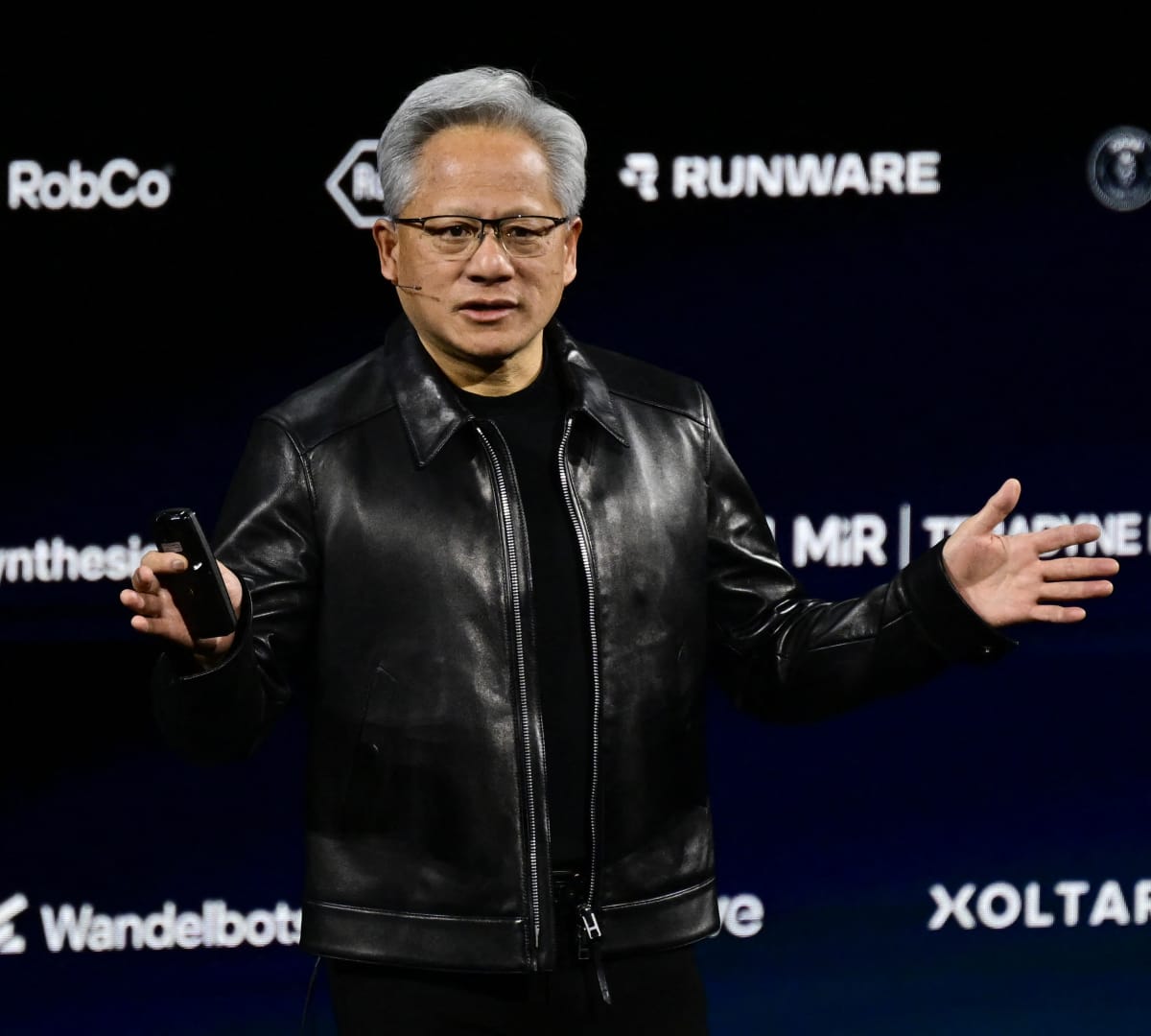
The report on Alice Huang raises a question that Nvidia cannot leave unanswered: how a businesswoman linked to a major Huawei supplier came to be publicly tied to the company's chief executive. Alice Huang, whose Chinese name is Huang Le, is described as an alleged Chinese spy, and CNBC reports that she may have held stakes in businesses that benefited Huawei while she was in business with Nvidia. Those are serious allegations, and they should be treated as allegations until authorities or the companies confirm them.
The documents cited in the report are specific enough to demand scrutiny. According to Chinese corporate records and media reports compiled by Tesari and translated by CNBC, Huang sold a cloud business called Osmanthus to 7Road in 2019, and a 7Road subsidiary was later spun off as Megaspeed. The Information reported that Megaspeed helped facilitate at least $7.5 billion in Nvidia chip shipments to Chinese firms. Separately, her firm Shanghai Hexi held a 27 percent stake in Shanghai Century Longteng, which controlled a data center whose key customer was Huawei Cloud. Hexi also guaranteed loans for that facility.
Taken together, these links are convoluted, and Tesari analysts told CNBC they suspect the structure was designed to obscure the relationship. That suspicion is an opinion, not a finding. Still, a web of holding companies that ends at a Huawei customer is exactly the kind of arrangement that export-control regulators are meant to examine. Tesari's Brian Andersen said the activity warrants a national security and counterproliferation investigation, and the Commerce Department's Bureau of Industry Security and Homeland Security Investigations are the bodies that could decide whether controlled equipment reached Huawei without authorization.
Nvidia has said Huawei is a top competitor, which makes any indirect commercial relationship with it a governance problem rather than a private matter. Jensen Huang has acknowledged an affair, but the timing is unknown, and the report notes he did not respond to a voicemail. Nvidia and Huawei did not respond to requests for comment either. The company should disclose what it knew about Alice Huang's holdings and customers, and whether its own compliance reviews examined Megaspeed and the Shenzhen facility.
Regulators should investigate promptly, and Nvidia should cooperate fully. Shareholders are entitled to know whether a chief executive's personal relationship intersected with the company's China sales. Until those answers arrive, the reasonable course is to hold judgment on intent while insisting that the facts be established.