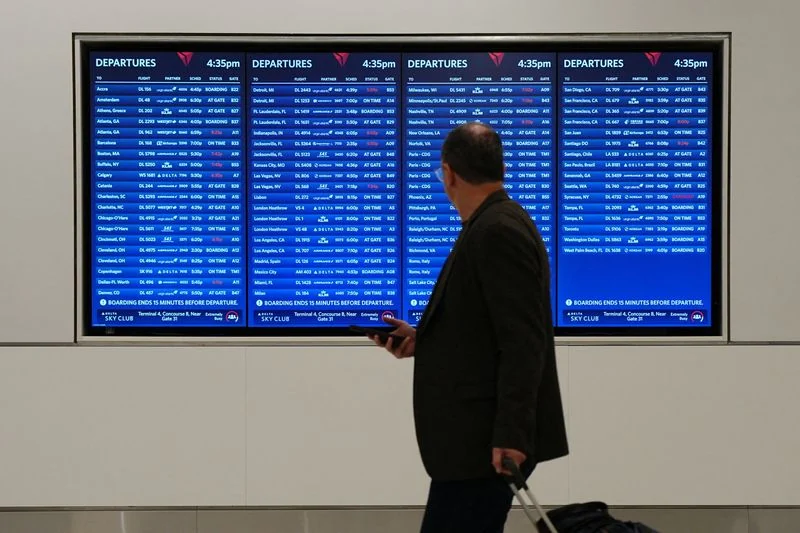
The FAA's ground stop on Friday, which lasted four hours, was the largest halt to US air travel since the September 11, 2001 attacks and only the third nationwide stop the agency has issued this century. According to FlightRadar24, it led to more than 6,600 cancellations and 8,600 delays. Tens of thousands of travelers were left scrambling, and some, like Edward Karagbo, faced a night stranded in an airport.
Transportation Secretary Sean Duffy blamed the disruption on aging network technology in the radar and communications system used for air traffic control, not on malicious actors. That explanation may be accurate, but it is also an admission. A system that controls some of the busiest airspace in the world should not fail in a way that grounds the country. Duffy's own account points to infrastructure that has been allowed to age, and that is a failure of planning and investment, not bad luck.
The passengers in the report were not mainly angry about the technical cause. They were frustrated by the lack of information. David Johnson said he could have made alternative plans if the expected length of the delay had been known and clearly communicated. That is a modest request. When a shutdown spreads across the country, the public needs clear, timely updates on how long it will last, not vague assurances that a fix is coming.
The human costs were real. Barbara Steinberg expected to miss her high-school reunion after her Porter Airlines flight was canceled. Grissel Francis said the experience felt surreal, with memories of 9/11 returning. Debra Bliesner, a retired Air Force veteran, said she would rather be inconvenienced than see safety compromised, and that view is reasonable. Safety should come first. But the day also showed how little slack the system has when one component breaks.
Officials should do three things. They should publish a clear public account of what failed and how long the fix will take. They should set a timeline for replacing the aging radar and communications equipment. And they should tell travelers, in plain terms, what to expect during any future stop. Friday's halt was a warning. The next one should not find the same equipment still in service and the same gaps in communication still open.