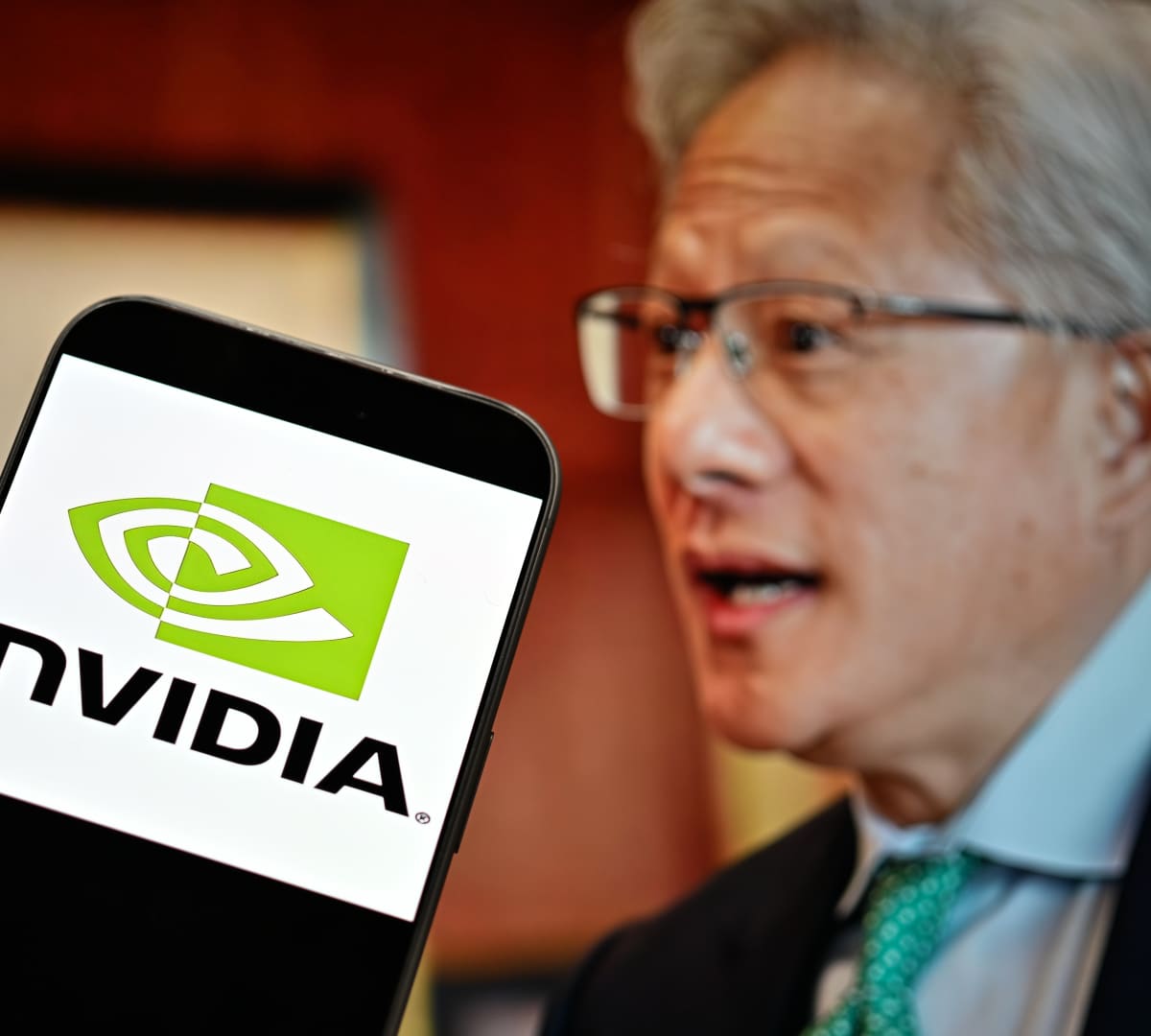
S&P Global Ratings has put Nvidia on CreditWatch with negative implications, warning that its AA rating could fall by one notch to AA- over the next 90 days if management and governance deficiencies persist. The agency's reasoning deserves more attention than the investor reaction it has already triggered. Its concern is not that Nvidia's business is failing. It is that the structure meant to supervise the company's leadership has not yet shown it can do the job.
The timing matters. S&P tied its warning to the ouster and reinstatement of Jensen Huang as CEO, and to questions about potential export control violations. Huang's return on Monday may have calmed the stock, which S&P noted rose as much as 36% during that session before falling about 12.5% since. But S&P said Huang's resignation and reinstatement did not resolve questions about the board's oversight of executive conduct. A reversal of the decision is not the same as an answer to the question of who was accountable for the decision in the first place.
The agency's specific complaints about the board are hard to dismiss. S&P cited the long tenure of certain directors as a reason their independence may be compromised. Chairman Harvey Jones and early investor Tench Coxe have served since 1993, and Brooke Seawell joined in 1997. Long service can bring valuable institutional memory, but it can also make a board too comfortable with the executive it is supposed to examine. S&P also said it remained unaware of any remedial action by the board to address what it called meaningful deficiencies. Shareholders and creditors should expect that gap to be closed with visible steps, not reassurance.
Succession is the other issue that deserves plain language. S&P's analysts, Andrew Chang and David Tsui, wrote that weak executive oversight and a lack of succession planning have brought the question of key-person risk to the forefront. A company whose strategy and reputation rest so heavily on one founder-led leader should have a credible plan for what happens if that leader is absent. The events of the past few weeks suggest that plan did not exist in a form the market could see.
My view is that the board should publish concrete changes before S&P's planned meeting, not after it. That means clearer independence standards, a timetable for refreshing long-serving directors, and a named succession process. Bondholders, who hold roughly $32.5 billion of Nvidia debt in the U.S. high-grade index, have a legitimate interest in whether the company can govern itself as well as it can design chips. A rating cut would raise borrowing costs. Avoiding one is cheaper than explaining why it happened.