Solo dining is growing in the UK, according to online booking platform OpenTable. The company says solo bookings rose 23% in the period from 1 January to 31 August this year, compared with the same period a year earlier. OpenTable says solo dining is the smallest share of its UK bookings but the fastest-growing category. It did not provide the data to the BBC to verify.
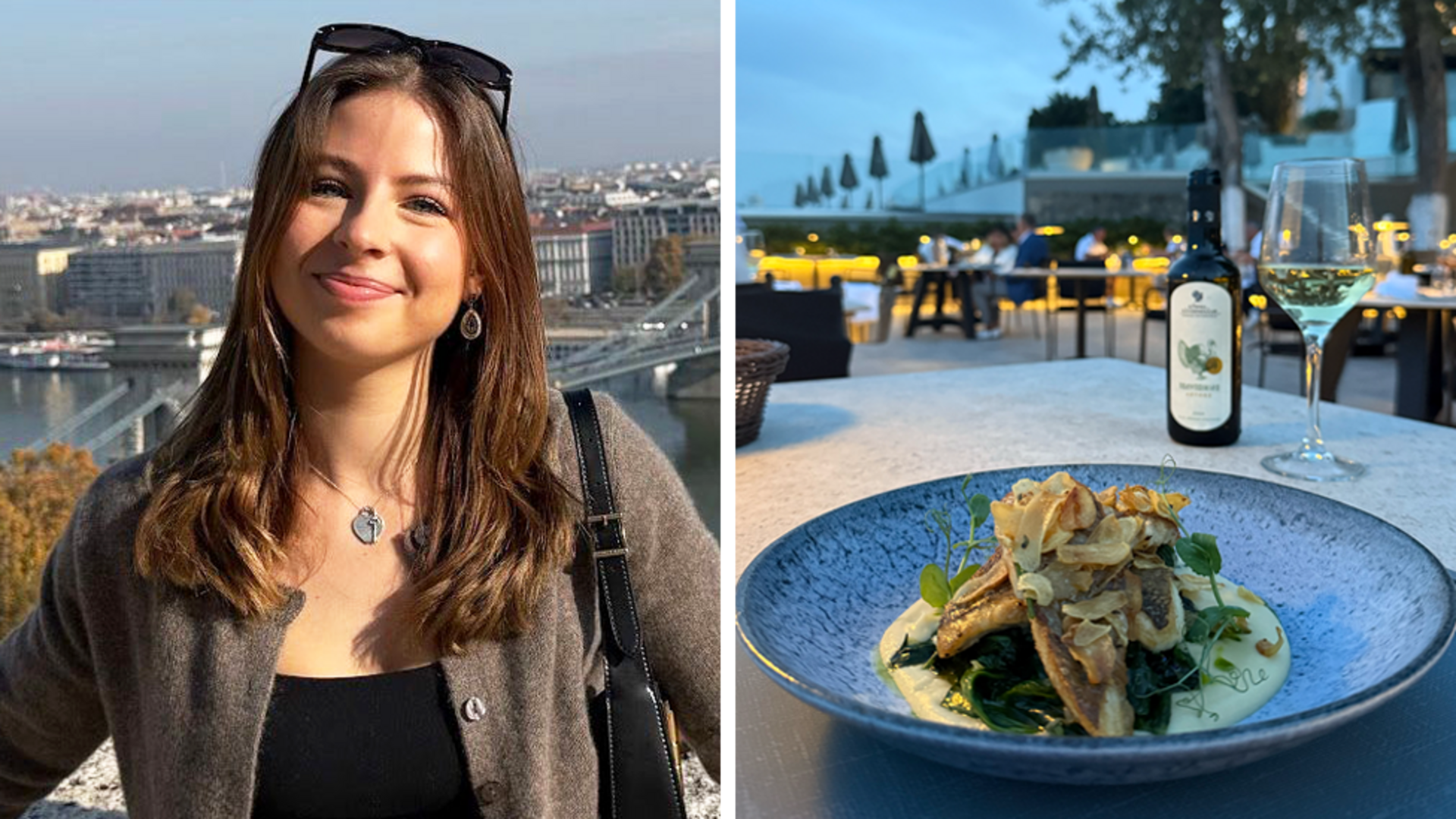
Catherine Smith, 23, from Yorkshire, has dined alone since university. She now does it at least once a month, usually at high-end restaurants she would not normally visit with friends or family. She typically spends £100 to £200 per meal. "I think what is so special about solo dining is that you don't have to wait for people to make those plans. You can go out and do them yourself," she says. She describes the freedom of choosing where and when she eats as "empowering."
Food trends analyst Charles Banks, joint managing director of The Food People, says solo dining is not a new consumer behaviour. He says changes in society have made it "almost aspirational." He also notes that not every restaurant has welcomed the trend. "A single diner could therefore feel like an inefficient use of a table rather than a customer the restaurant actively wanted."
SoloTable, a website that identifies restaurants suitable for solo diners, found that one in eight of the 178 London restaurants it surveyed did not accept online reservations from solo diners. Catherine says she has been turned away from restaurants that do not allow solo diners.
Jungli, an Indian restaurant in Newcastle upon Tyne, is seeking solo customers. Co-founder and director Yousaf Khalid says the restaurant includes high tables, bar seats and charging points for laptops and phones. He says staff are trained to engage diners in conversation but also to leave them alone if they prefer solitude.