The consumer price index rose to 3.7% in September 2026, up from 3.4% in August, according to the Bureau of Labor Statistics. Core CPI, which excludes volatile food and energy prices, jumped to 2.6% from 2.4%, marking an acceleration that has prompted economists to flag persistent inflation risks.
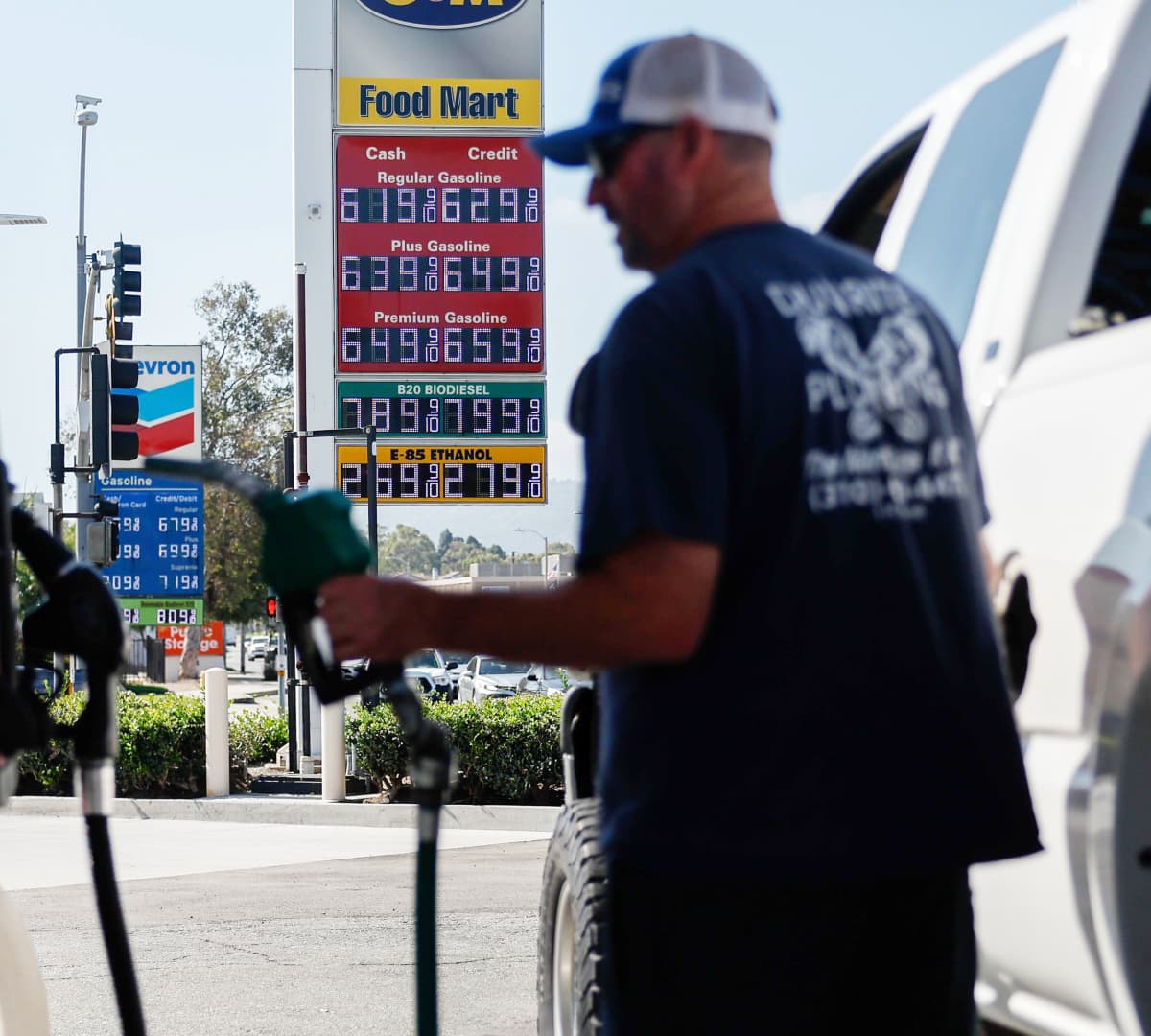
The Iran war, which began in late February when the U.S. and Israel launched strikes on Iran, has emerged as the primary driver of the increase. Gasoline prices alone rose 9.1% in September and now sit 34% higher over the past year. The average pump price reached $4.33 on Wednesday, up 45% from $2.98 on February 27, according to AAA data. Diesel prices have climbed even more sharply, rising roughly 68% to $6.30 per gallon over the same period.
The conflict has disrupted oil flows through the Strait of Hormuz, a critical transit route for global crude supplies, and damaged refining infrastructure in the Middle East. Russia's war in Ukraine has compounded diesel pressures through damage to Russian refineries from Ukrainian bombing campaigns.
Mark Zandi, chief economist at Moody's, said the report shows "inflation is uncomfortably strong" with "the war's fingerprints all over the report." Michael Reid, head of U.S. economics at the Royal Bank of Canada, characterized inflation as an "oil story" expected to persist for several more months. Wells Fargo Investment Institute analysis suggests energy prices may remain elevated until mid-2027, even after key waterways reopen, due to lost refining capacity and distribution problems.
Diesel's broad reach across trucking, shipping, farming and manufacturing means higher costs will eventually ripple through consumer prices for goods and services, though Reid noted this transmission typically takes months. Airline fares have already risen 22% over the past year, largely from jet fuel costs.
The Federal Reserve's benchmark rate sits above its stated 2% long-term inflation target, where it has remained for more than five years. Economists said the Fed may respond with additional interest rate increases through spring 2027. Treasury bond yields have also risen sharply in recent months, putting upward pressure on mortgage rates, auto loans and credit card rates.
Consumer sentiment has deteriorated. The University of Michigan's sentiment index hit its second-lowest reading on record in September. The Social Security Administration announced a 3.6% cost-of-living adjustment for 2027, though an AARP survey found 76% of respondents said a 3.5% COLA would be insufficient.