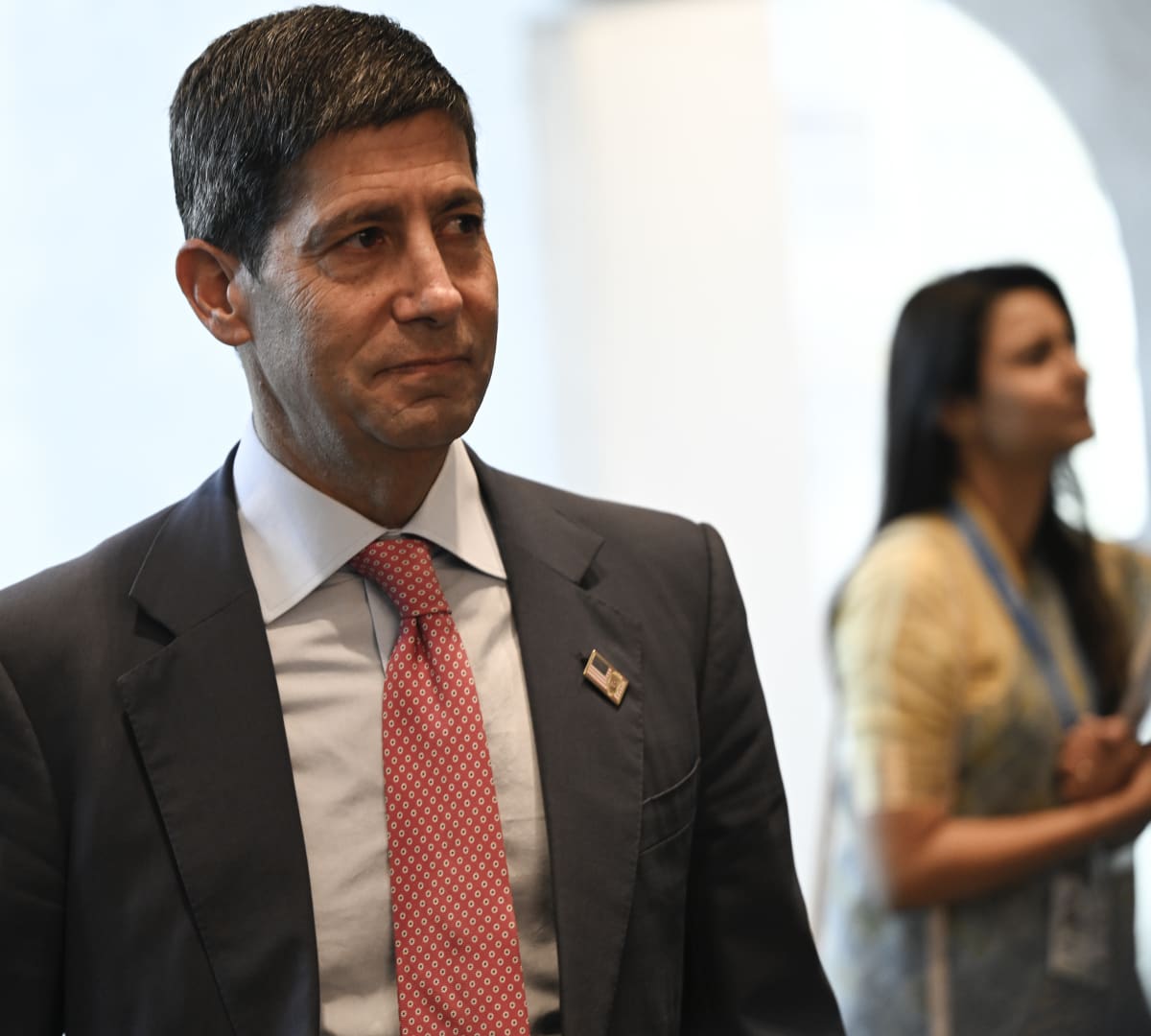
Federal Reserve Chair Kevin Warsh declined to signal the central bank's interest rate path for the remainder of 2026, saying at the International Monetary Fund's annual meetings in Bangkok that he does not telegraph policy decisions before meetings occur.
"I don't prejudge meetings. I don't believe in saying now what I might do at the meetings that we have in the balance of this year," Warsh said in remarks Friday. He reiterated his opposition to forward guidance, arguing markets should instead interpret economic data directly.
Warsh acknowledged the approach may frustrate investors seeking clarity. "It's a new chapter at the Fed. We're not in that business anymore. But we can go in any direction you'd like," he said.
The Fed raised its benchmark rate to a range of 3.75 percent to 4 percent last month, marking its first increase since 2023. Traders currently assess a 72.3 percent probability that the central bank holds rates steady at its October 27-28 meeting, according to CME Fed Watch data. Most market participants expect a 25 basis point increase in December.
At the fireside chat with International Monetary Fund Managing Director Kristalina Georgieva, Warsh characterized the global monetary picture as one of coordinated inflation fighting. He said central banks worldwide had independently chosen tightening under their own mandates, producing what he called "synchronous tightening in monetary policy in most places around the world." That result means "there's no free riders," he said, suggesting all major economies face similar pressures to combat price growth.
Warsh offered broader remarks on artificial intelligence, describing it as "probably the most consequential change to the U.S. and the global economy in my lifetime." He projected optimism about AI's potential to boost productivity and wealth in economies that deploy it effectively. However, he cautioned the transition may prove "very bumpy" and that near-term employment effects remain uncertain.
"I want you to hear from me optimism, but optimism leavened by the seriousness of purpose," Warsh said. He predicted that a decade ahead, observers would view the period as "hugely consequential."
Asian stock indexes and Treasury yields remained largely stable following the remarks.