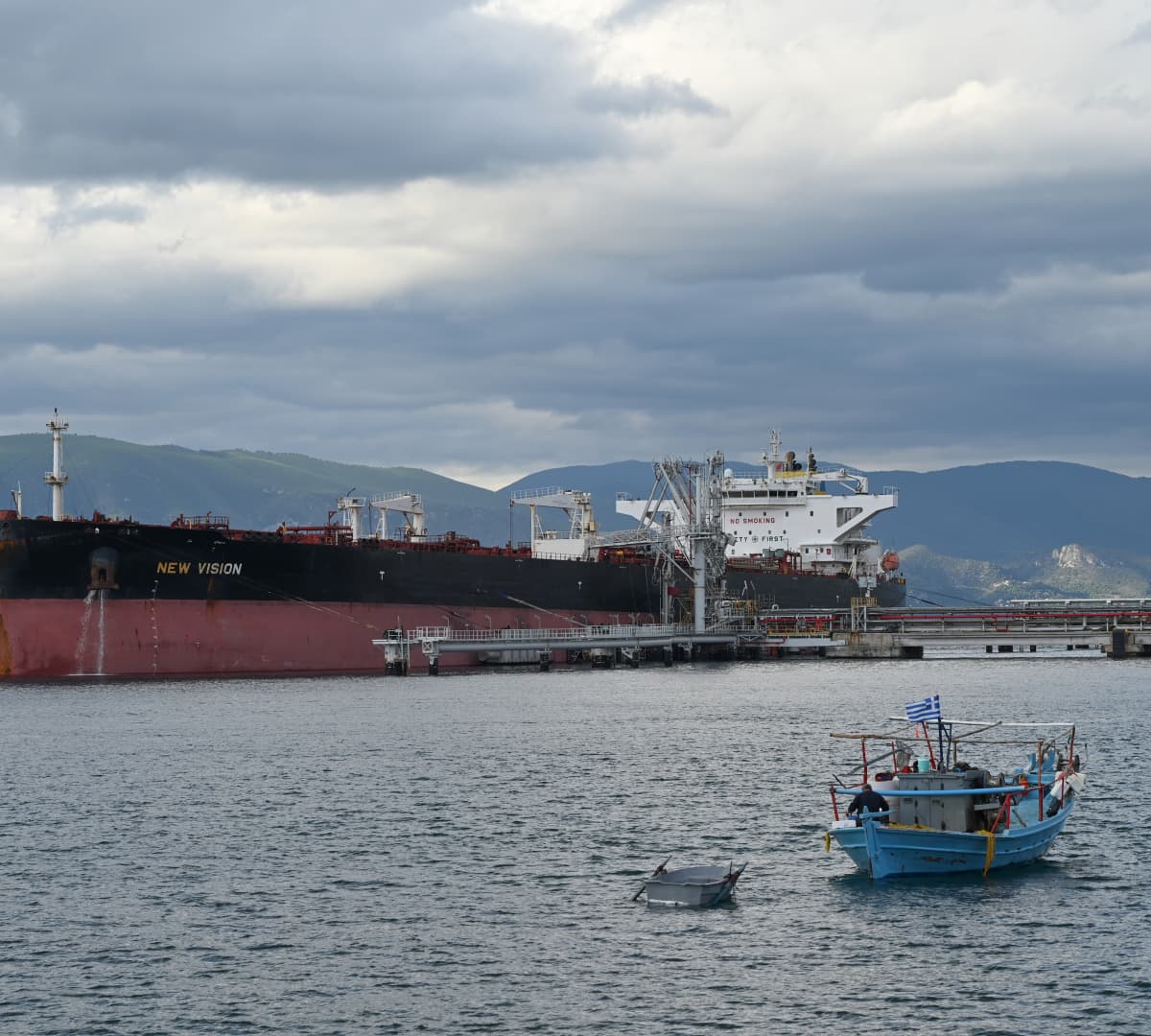
Crude oil prices fell sharply in November as investors expected Middle East exports to recover and tip the market into surplus for the first time since the Iran war began, according to CNBC.
Brent crude futures are down about 20% from late October, when the contract approached $118 a barrel. Brent closed at $95.44 a barrel on Friday. U.S. West Texas Intermediate fell about 21% from its late-October peak above $104 and settled at $83.08. U.S. retail gasoline has fallen well below $4 a gallon, and diesel has eased below $6 a gallon.
The International Energy Agency forecasts an oil surplus beginning in the fourth quarter. Goldman Sachs sees a surplus of 2 million barrels per day in 2027, and Kpler sees oversupply of 3 million barrels per day next year. The IEA cautioned that downside risks persist as attacks on shipping undermine maritime security.
UBS strategist Giovanni Staunovo wrote that the selloff has likely gone too far and that the market has become "too comfortable with the supply outlook." He said, "The rebound in Gulf exports should not be mistaken for a normalization of the oil market."
Bob McNally, president of Rapidan Energy, said, "If the recovery in the Arabian Gulf region continues, we're going to have oversupply." He also said, "We think there will be more disruptions, more risk and that those surpluses won't materialize next year." He expects prices to trade in a wide range, between $70 and $80 during calm periods and above $100 during escalation.
Middle East crude exports averaged 12.8 million barrels per day in the week ended Wednesday, about 24% below pre-war levels of 17 million barrels per day, according to Kpler data. Kpler also warned that the predicted surplus could tip back into deficit if attacks hit key export terminals or Saudi infrastructure.