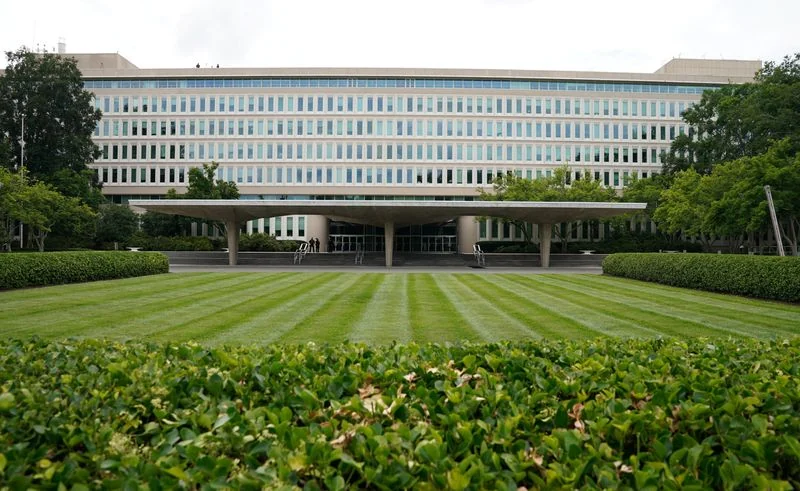
US intelligence sharing on Iran and other global threats has slowed and, in some cases, temporarily stopped during President Donald Trump's second term, according to eight current and former officials and people briefed on the matter, Reuters reported.
The CIA has stopped co-authoring assessments with the National Intelligence Council, an analytical group within the Office of the Director of National Intelligence, according to officials cited by Reuters. Those officials said the change has reduced the number of reports that combine the intelligence community's views for decision-makers on subjects including Iran.
Lawmakers and their staffs briefly stopped receiving intelligence reports from Tulsi Gabbard's office in the days after the US military intervention in Iran in June 2025 and again after the capture of former Venezuelan President Nicolás Maduro in January 2026, two people familiar with the matter said. Gabbard's team had accused lawmakers of leaking to the press. Gabbard resigned as director of national intelligence in June.
Former officials quoted in the report said the disruptions risk leaving policymakers with an incomplete picture of threats. Beth Sanner, a former deputy director of national intelligence during Trump's first term, said: "All of these things are adding up in a really complex world where policymakers need to have a more sophisticated, nuanced, and integrated view of the world, and they are getting less."
CIA spokesperson Liz Lyons said the agency "participates fully" in providing intelligence assessments through the Presidential Daily Brief and the National Intelligence Council. The White House did not respond to a request for comment. An ODNI official said the council has maintained assessment levels close to "historic trendlines." Director of National Intelligence Jay Clayton, who took office in August, has resumed congressional briefings on election threats, officials said.