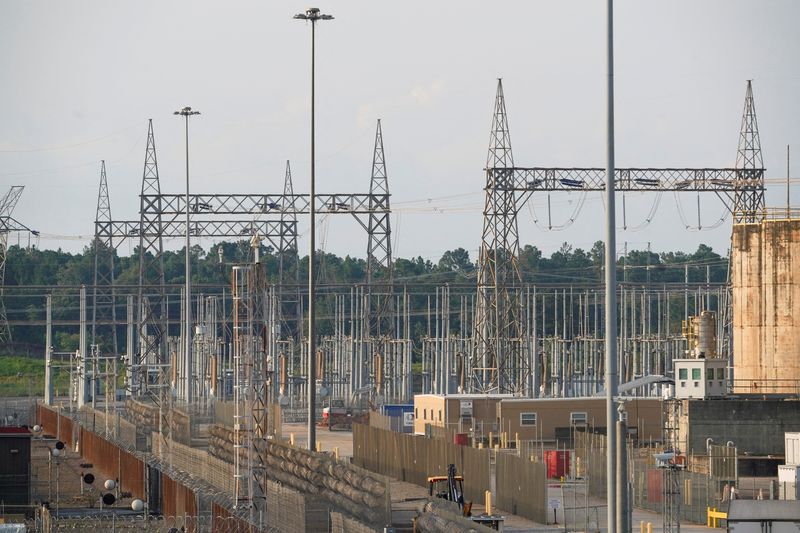
Electricity prices have become a major political issue in this year's US midterm elections, according to a Reuters report. The report says voters are angry over rising utility bills and deals for power-hungry data centers.
Reuters cites Energy Information Administration data showing that residential electricity prices nationwide have risen more than 10% since 2024. The report says those increases have outpaced the rise in costs for other goods and services. In the battleground states of Ohio, Michigan and Pennsylvania, power bills have grown faster, and in some cases have soared by triple the inflation rate. Those states are also hot spots for new data centers.
Many candidates for statehouse seats have backed cracking down on utilities. Some have proposed freezing utility rate increases and cutting guaranteed returns. Seats on nine state public utility commissions are up for election this year, including in Arizona and Georgia. Governors will be chosen in 36 states, and in states where regulators are not elected, governors appoint them.
Charles Hua, executive director of PowerLines, a nonprofit that advocates utility reform, said this could be the first election to feature electricity as a prominent midterm issue. "Part of that is because people's utility bills have gone up and up, and they don't see any end in sight," he said.
The report says utilities are on track to match last year's record $31 billion in rate increase requests to regulators, according to a PowerLines survey. It also cites an S&P Global Regulatory Research Associates analysis projecting nearly $1.3 trillion in capital spending by investor-owned companies over the next five years.
In Ohio, Democrat Amy Acton has promised to lower energy bills and supports a data center moratorium. Her Republican opponent, Vivek Ramaswamy, said he would ensure Ohioans living near data centers would not pay electricity bills. Ohio's residential bills have grown by more than 20% over the last two years, according to EIA data.
Pennsylvania Governor Josh Shapiro, a Democrat running for reelection, announced in April that PECO Energy Company had agreed to withdraw a proposed rate increase. Shapiro said the move would reduce future bills by as much as $34 a month.
Utility advocates, including Drew Maloney, president of the Edison Electric Institute, argue that freezing rates and reducing guaranteed returns will not meaningfully change household bills. Maloney said the grid "requires consistent investment every year to deliver reliable energy to our customers." Fitch downgraded the North American utility sector to "deteriorating" from "neutral" in June, citing midterm political pressure.