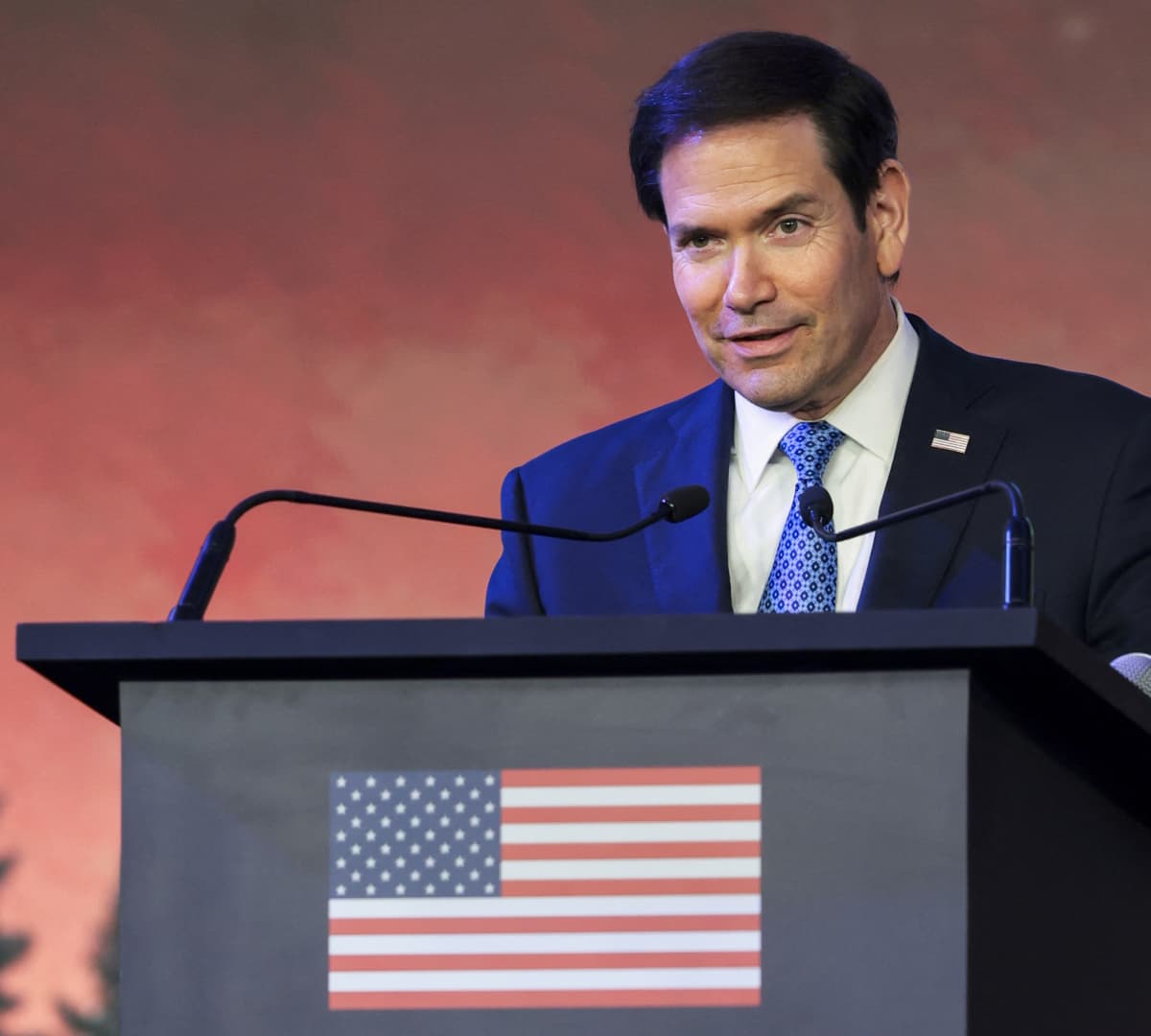
U.S. Secretary of State Marco Rubio is visiting Reliance Industries' Jamnagar refinery in Gujarat on Wednesday to discuss expanding joint energy refining capacity, particularly for crude oil from the Western Hemisphere, according to remarks Rubio made to India's Network 18.
Reliance operates the world's largest single-site refinery at Jamnagar, with crude processing capacity of 1.4 million barrels per day. The company has become the biggest buyer of Venezuelan crude outside the U.S. as of end-September, according to the source.
Rubio told Network 18 that the U.S. wants to "work together more closely" with Reliance on refining, saying the arrangement benefits both countries. He characterized Reliance's refining capacity as "extraordinary" and suggested it could help India diversify energy supplies, with Venezuela ramping up production.
President Donald Trump has been pushing India to purchase more Venezuelan oil to reduce reliance on Russian barrels. While Indian state-owned oil companies have made opportunistic purchases, Reliance has been the primary buyer, according to the source.
The visit occurs against a backdrop of a separate, larger U.S. refinery project. Trump announced in March that America will build its first new oil refinery in 50 years with Reliance investment. Trump claimed on Truth Social that this represented a $300 billion deal, "THE BIGGEST IN U.S. HISTORY." Reliance has not publicly confirmed an investment figure.
Pramit Pal Chaudhuri, South Asia practice head at Eurasia Group, told CNBC that Reliance's silence on the refinery investment "creates an air of uncertainty around the deal," and that Rubio's visit may aim to "clinch" the arrangement or advance it further.
At a Tuesday press conference, Rubio called India a "refining superpower" and emphasized Reliance's ability to process heavy crude. According to Chaudhuri, Indian and Chinese refineries specialize in handling heavy and medium-heavy crude from Venezuela and Russia, grades better-suited for diesel production.
Rubio's visit comes as U.S. diesel prices have risen sharply, with midterm elections approaching. Diesel prices affect American truckers, farmers, and shippers and are expected to remain elevated into next year.