China's economy expanded 4.5% in the third quarter, rebounding from a three-year low, according to official Chinese data released Monday by the National Bureau of Statistics. The growth, though below the 4.5%-5% annual target range, was driven largely by artificial intelligence-related exports that offset persistent domestic weakness.
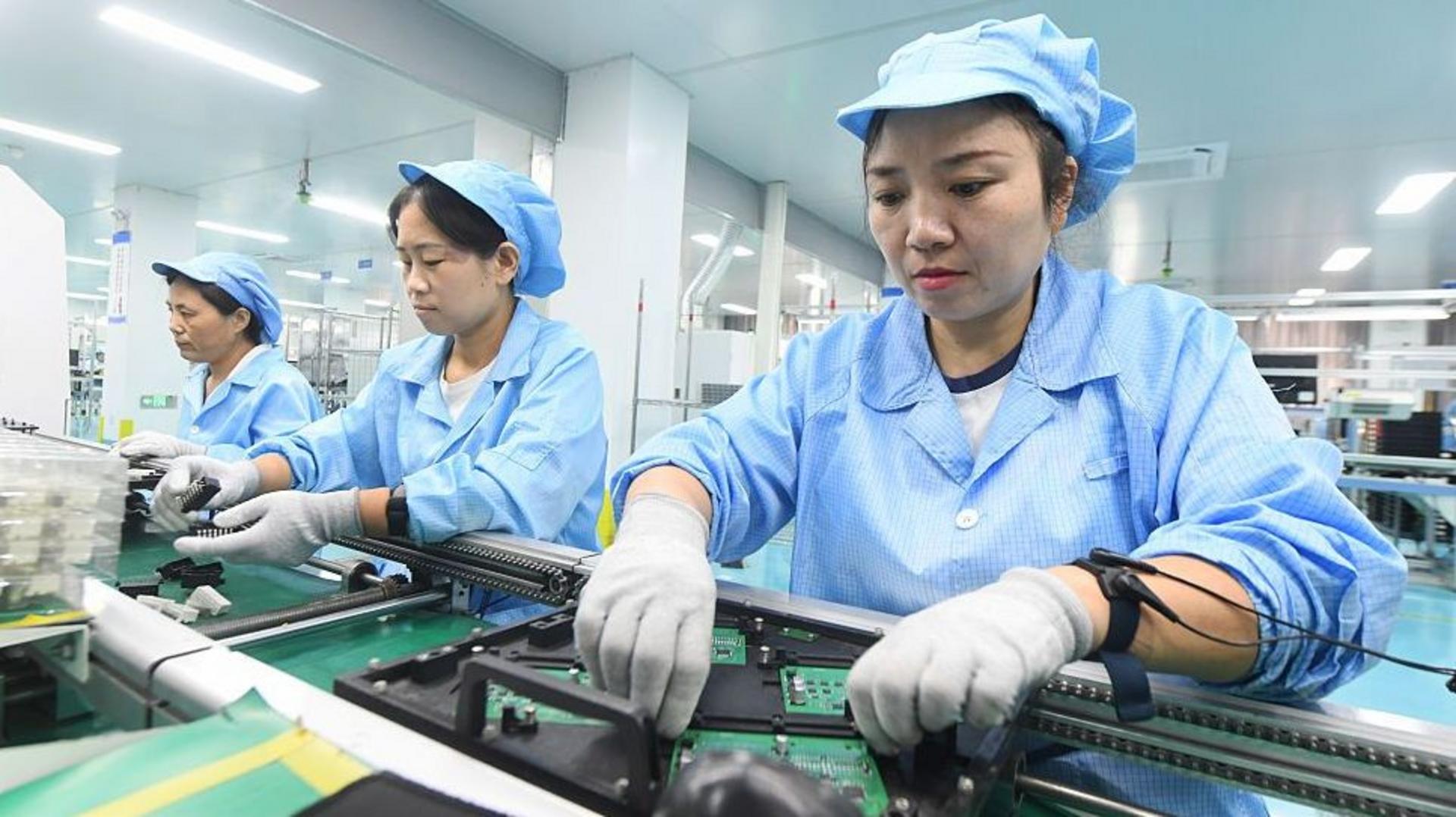
Exports of computer chips and components for AI data centres have been a primary engine of growth. Oxford Economics researcher Sheana Yue attributed the rebound to "manufacturing and high-tech exports" despite "weak investment and domestic spending." China's trade surplus is on track to exceed last year's record of $1.2 trillion.
The domestic economy remains under strain. Property investment fell more than 20% in the first nine months of the year compared to the same period in 2023, extending a property slump that has persisted for years. Yue noted there are "no signs that this trend will end soon." Chinese consumers have grown more pessimistic amid prolonged weakness in the sector, weak wage growth and high youth unemployment, reducing their willingness to spend despite September support measures from Beijing including lower interest rates for some businesses and subsidies for property buyers.
Global headwinds are building. Western economies including the US and European Union are pushing back against large volumes of cheap Chinese exports as their own manufacturers struggle to compete. Questions also linger over whether the billions of dollars being invested in AI infrastructure will generate the promised returns.
The National Bureau of Statistics described the economy as having "sustained steady development against pressure" while showing "momentum with new growth drivers and improving structure." The third quarter result sits at the bottom end of Beijing's target range, analysts noted, giving policymakers room to pursue additional measures to address the country's economic challenges.