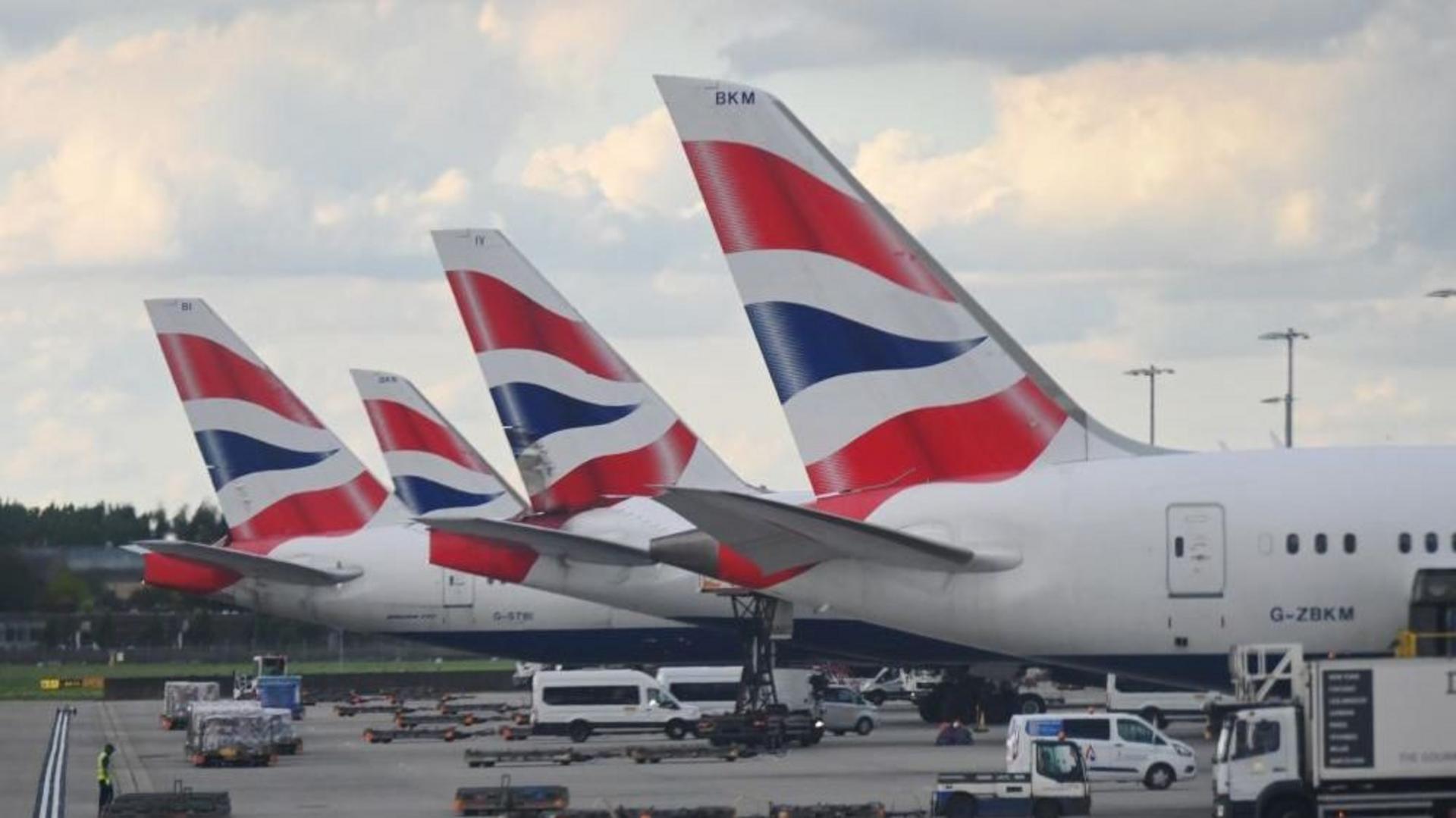
Chancellor John Healey told the International Monetary Fund in Bangkok that building a third runway at Heathrow Airport represents "a case for growth", stepping into a debate where Prime Minister Andy Burnham has remained noncommittal.
Healey said airport expansion, including at Heathrow, has been "a big part of jobs and growth" in recent decades. His comments come after Burnham told the BBC last month that the runway decision was "a matter for London and Londoners", suggesting caution about federal involvement.
The Department for Transport is currently reviewing responses from a closed public consultation on its National Policy Statement, which forms the basis for deciding whether to approve a new runway. Healey said "further decisions and announcements will follow" once that review completes.
Heathrow's chief executive Thomas Woldbye warned this week that not building the third runway would be a "huge missed opportunity". He told the BBC that benefits would extend nationwide, noting Heathrow's supply chain reaches from northern to southern England.
The third runway debate has spanned decades. Residents, politicians and climate campaigners have opposed the project. Former Chancellor Rachel Reeves made the expansion central to an open-for-business message last year, announcing government backing and saying the nation could not "duck the decision any longer".
Healey's predecessor framed the runway as essential. Burnham's approach has differed. When asked about the project in September, the Prime Minister suggested London's residents should be heard first before he took a position.
The airport's consortium of owners said they need explicit backing from Burnham before year-end to move forward. Woldbye said he hoped the prime minister would "come along" with the project.
Heathrow currently serves more than 80 million passengers annually across four terminals and two runways. A third runway would allow flights to rise from the current cap of 480,000 yearly to 720,000, or roughly 2,000 daily on average. The project carries an estimated £33 billion price tag and would require demolishing hundreds of homes, diverting rivers and tunneling the M25 motorway between junctions 14 and 15. Originally scheduled to open by 2035, Heathrow has suggested a delay to 2039 due to planning and regulatory challenges.