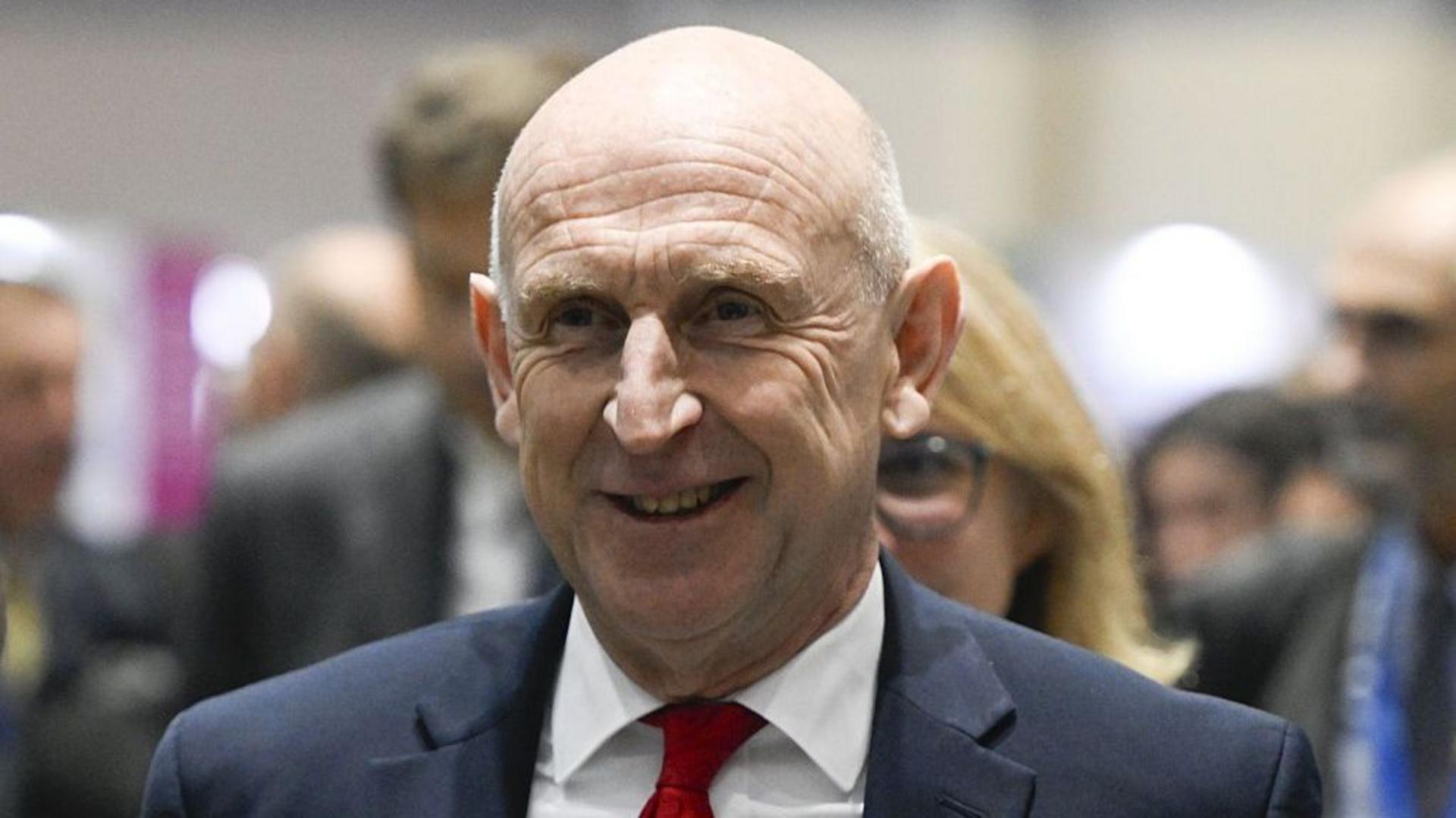
UK Chancellor John Healey is expected to announce new taxes on banks when he presents his Budget in two weeks, according to senior banking executives who spoke to the BBC. The sector has become a target after the UK's four largest banks reported combined profits of around £15bn in the first half of 2024.
Healey has refused to rule out a "raid" on the banking sector, despite describing banks as part of "the crown jewels" of the UK economy. Trade unions and others have called for additional taxes on the industry, citing its recent profitability.
Banks currently pay a 3% surcharge on top of the standard 25% corporation tax rate, plus a levy on balance sheet assets. The sector contributed nearly £40bn to the Treasury last year when employee income tax is included. The bank levy alone generated £1.4bn last year, with the surcharge contributing a further £1.2bn.
The BBC reported several potential tax measures under consideration. The 3% surcharge could be restored to its previous level of 8%, which was in place before former Chancellor Rishi Sunak reduced it. That change would raise an estimated £2bn annually. Alternatively, the government could increase the bank levy rates, which currently charge 0.1% on short-term loans and 0.05% on longer-dated loans. Mortgages are currently excluded from the levy calculation.
A third option involves restricting banks' ability to use past losses to offset current profits. Lloyds in particular has benefited from offsetting losses dating to the financial crisis. A moratorium on this practice could yield an estimated £1bn per year, according to the BBC report.
UK Finance, the banking sector trade body, warned that "further increases in bank taxes would weaken competitiveness, discourage investment and job creation, and work against the government's ambition to deliver growth in every postcode."
JPMorgan Chief Executive Jamie Dimon has stated that the UK already imposes one of the world's highest tax burdens on banks. Industry leaders argue that any tax measure targeting UK banks while exempting foreign banks' UK operations would contradict the government's stated commitment to supporting British business.
Rising interest rates have expanded banks' profit margins by increasing the gap between lending rates and deposit rates, making the sector a more attractive target for additional taxation than in previous years.